Best Practices for Securing Medical Tubing
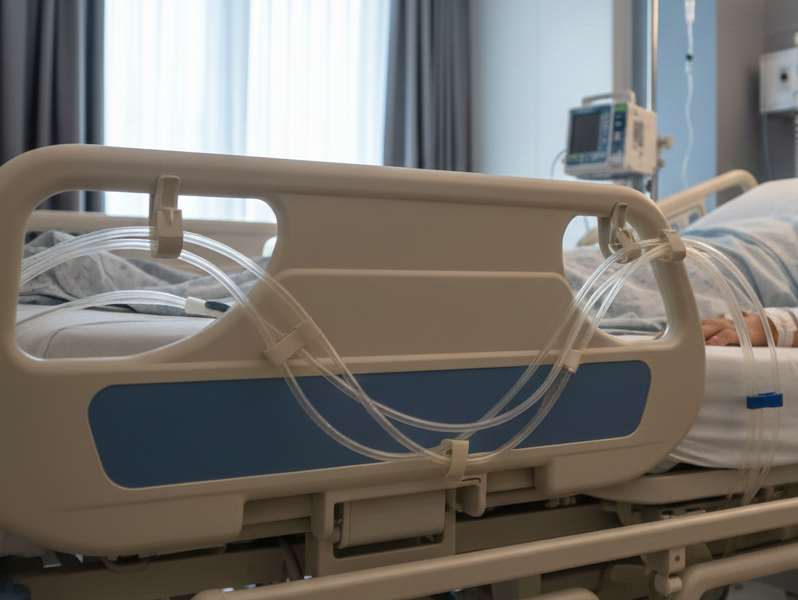
Medical tubing plays a critical role in patient care across hospital, outpatient, and home settings. From feeding tubes and IV lines to oxygen and catheter tubing, these devices support essential therapies every day. However, when tubing is not secured correctly, it can create avoidable risks for patients and added challenges for caregivers.
Based on years of clinical experience, effective tubing securement is not just a technical task. It is a patient safety practice that directly affects comfort, skin integrity, and clinical outcomes. The following best practices can help reduce complications and support high-quality care.
Common Challenges with Medical Tubing
Unsecured or poorly secured medical tubing can lead to several significant issues:
- Accidental dislodgement, which may interrupt therapy and require reinsertion
- Skin irritation and breakdown caused by friction, pressure, or harsh adhesives
- Patient discomfort, especially during movement or sleep
- Increased risk of infection due to repeated manipulation or compromised skin
These challenges are prevalent in patients with fragile skin, limited mobility, or prolonged device use. Addressing them early can prevent escalation and improve the overall care experience.
Use Specialized Adhesive Solutions
One of the most effective ways to secure medical tubing is to use products designed specifically for that purpose. General-purpose tape often lacks durability, can irritate the skin, and does not adequately manage tension.
Kare Patch is a specialized adhesive solution developed by healthcare professionals to address these exact challenges. The Kare Patch's size provides a stable anchor point for tubing without adding bulk. The medical-grade, hypoallergenic adhesive offers a strong hold while remaining gentle on the skin.
Kare Patch is compatible with tubing ranging from 5 to 15 millimeters in diameter, making it suitable for a wide range of medical applications. Its ability to remain in place for up to 10 days reduces the need for frequent reapplication and minimizes repeated skin trauma.
Ensure Proper Skin Preparation
Securement starts with healthy skin. Before applying any adhesive, the skin should be clean, dry, and free of oils or lotions. Proper preparation improves adhesion and reduces the risk of irritation or early failure.
Inspect the skin for redness, moisture, or breakdown before placement. If the skin is compromised, address those issues first and consider alternative placement sites when possible. Gentle, skin-safe adhesives are essential for patients requiring long-term tubing.
Position Tubing to Minimize Tension
Even the best adhesive will fail if the tubing is under constant tension. Tubing should be positioned to allow natural movement without pulling at the insertion site or securement point.
Create gentle loops where appropriate and avoid sharp angles. Secure tubing so that force is evenly distributed rather than concentrated in one area. Kare Patch helps manage tension by securely holding tubing while allowing slight movement, reducing stress on both the device and the skin.
Perform Regular Assessment and Repositioning
Medical tubing should never be "set and forgotten." Regular assessment is essential to identify early signs of skin irritation, pressure, or loosening. During routine care, check both the securement device and the skin underneath.
If redness or discomfort is noted, reposition the tubing or adjust the securement strategy. Products that are easy to apply and remove, such as Kare Patch, support timely adjustments without unnecessary disruption to the patient.
Supporting Comfort and Reducing Complications
Effective tubing securement improves more than just device stability. It enhances patient comfort, protects skin integrity, and reduces the likelihood of complications that can delay recovery or extend care.
By combining proper skin preparation, thoughtful positioning, regular assessment, and specialized securement solutions like Kare Patch, healthcare professionals can create safer, more comfortable experiences for patients across all care settings.
Securing medical tubing is a small step that delivers a meaningful impact. When done well, it reflects a commitment to patient-centered care and clinical excellence.
Learn the most effective techniques for securing medical tubing to improve patient comfort and reduce complications.