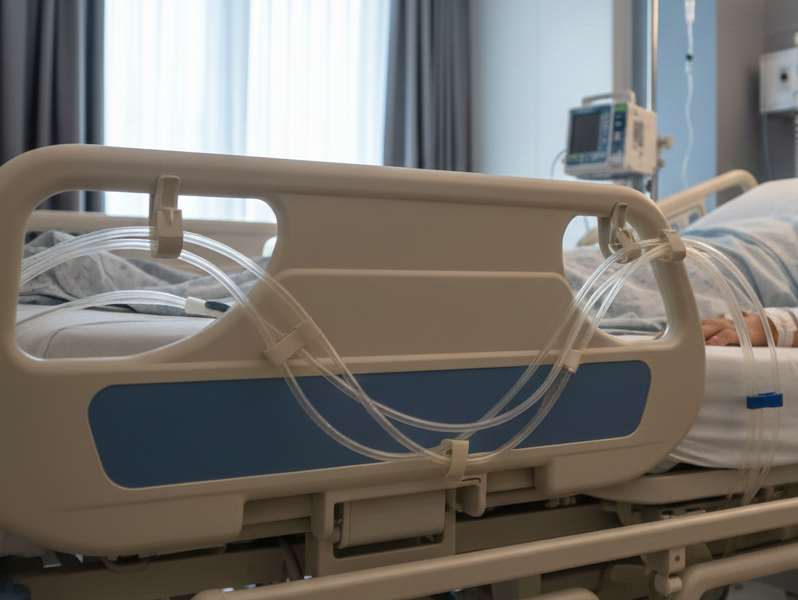
Reducing Hospital-Acquired Pressure Injuries from Medical Devices

Hospital-acquired pressure injuries caused by medical devices remain a serious and persistent challenge in healthcare settings. As clinicians, we rely on devices such as feeding tubes, oxygen tubing, catheters, and monitoring lines to support patient care. At the same time, we must recognize that these devices can also exert prolonged pressure on the skin, leading to breakdown, pain, increased infection risk, and extended lengths of stay.
From my experience in patient care, preventing device-related pressure injuries requires both vigilance and the thoughtful use of skin-safe securement solutions. With the right strategies, many of these injuries are avoidable.
Understanding Device-Related Pressure Injuries
Unlike traditional pressure injuries that develop over bony prominences, device-related injuries occur where tubing or equipment rests against the skin. These injuries can develop quickly, sometimes within hours, especially in patients who are critically ill, immobile, or have fragile skin.
Contributing factors often include poorly secured tubing, rigid materials, moisture, and frequent repositioning, which can cause friction or shear. Prevention starts with acknowledging that medical devices need the same level of skin protection as any other pressure risk.
Prioritize Securement Without Excess Pressure
One of the most effective prevention strategies is proper device securement. Tubing that shifts or pulls can concentrate pressure in a small area, increasing the likelihood of skin injury. At the same time, overly tight taping can be just as harmful.
Kare Patch offers a balanced approach to tubing securement. Designed specifically for medical tubing, it provides a strong, medical-grade adhesive hold while remaining gentle on the skin. Given its size, the Kare Patch distributes pressure more evenly, preventing tubing from digging into a single focal point.
Because Kare Patch works with tubing ranging from 5 to 15 millimeters in diameter, it's viable across a wide range of hospital devices. This versatility allows clinical teams to standardize securement practices without compromising patient comfort.
Protect Skin Integrity with Hypoallergenic Materials
Skin protection is central to preventing pressure injuries. Many patients are exposed to repeated adhesive removal, moisture, and friction, all of which weaken the skin barrier.
Kare Patch is made from a hypoallergenic, skin-safe medical adhesive that helps reduce irritation and skin trauma. Its gentle formulation supports up to 10 days of wear, reducing the need for frequent removal and reapplication. Fewer adhesive changes mean less disruption to the skin and more consistent protection.
Support Ongoing Skin Assessment
Even with the best products in place, regular skin assessment is essential. Clinicians should inspect skin under and around medical devices during routine care, reposition tubing when possible, and document any early signs of redness or breakdown.
Using a transparent or low-profile securement solution, such as Kare Patch, makes visual assessment easier. Tubing remains organized and stable, allowing caregivers to focus on early detection rather than constant repositioning.
Address Moisture and Hygiene Concerns
Moisture is a known contributor to skin breakdown, particularly under medical devices. Sweat, condensation, and routine hygiene can all compromise adhesive performance and skin integrity.
Kare Patch is waterproof and shower-safe, helping maintain securement even during bathing or routine cleaning. This feature supports infection prevention efforts while reducing the risk of adhesive failure, which can lead to friction and pressure injuries.
Creating a Culture of Prevention
Preventing hospital-acquired pressure injuries requires more than individual interventions. It demands a proactive culture in which device-related risks are recognized early and consistently addressed. Education, standardized protocols, and access to appropriate securement tools all play a role.
Incorporating solutions like Kare Patch into device management protocols helps align patient safety goals with everyday clinical practice. By reducing unnecessary pressure, minimizing skin irritation, and stabilizing tubing, caregivers can significantly lower the risk of device-related injuries.
A Patient-Centered Approach
At the heart of pressure injury prevention is respect for patient comfort and dignity. Painful, preventable skin injuries undermine trust and quality of care. Thoughtful device management demonstrates a commitment to both clinical excellence and compassionate practice.
With attentive assessment, proper securement, and skin-safe products like Kare Patch, healthcare teams can make meaningful progress in reducing hospital-acquired pressure injuries and improving patient outcomes.
Strategies to prevent and manage pressure injuries caused by medical devices and tubing.